
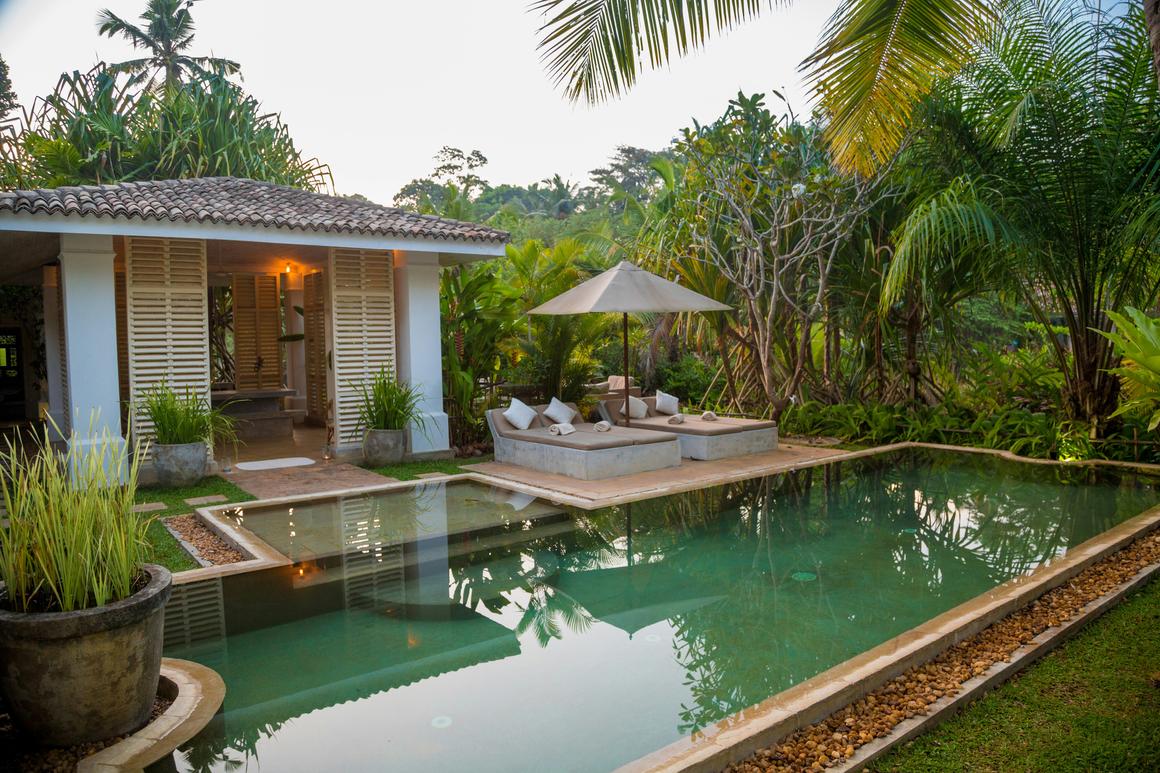
How Fine Acers Builds Premium Resort Investment Opportunities in India
India’s hospitality and real estate sectors are increasingly converging around a new ownership proposition—premium resort assets located in high-potential tourism destinations and operated within professionally managed hospitality environments.
For investors who traditionally considered apartments, commercial property, land or second homes, resort ownership introduces a different way of evaluating real estate.
Instead of purchasing property that simply exists, investors can potentially own an asset connected to an active hospitality ecosystem shaped by tourism, guest stays, destination weddings, wellness, leisure, dining and experiences.
This is the foundation of the Fine Acers resort investment approach.
Fine Acers focuses on developing hospitality-led real estate across carefully selected destinations in India, bringing together tangible ownership, premium resort development, recognised hospitality associations, professional management structures and lifestyle-oriented benefits.
The objective is not merely to construct resorts.
It is to create hospitality assets designed around three interconnected ideas:
Ownership. Hospitality. Long-Term Value.
What Is the Fine Acers Resort Investment Model?
The Fine Acers resort investment proposition is centred around ownership opportunities within premium hospitality developments.
Depending on the individual project and its legal structure, investors may acquire resort units, suites, villas, residences or other hospitality-linked real estate.
These assets can form part of a professionally managed resort environment rather than operating like independently rented residential property.
This creates a proposition built around:
Tangible Real Estate + Destination Demand + Branded Hospitality + Professional Management + Lifestyle Privileges
The exact commercial model, benefits, lease arrangements and ownership structure vary by project and must always be evaluated through the applicable project documentation.
1. Fine Acers Begins With Destination Selection
One of the most important elements of hospitality real estate is the destination itself.
A luxury resort can be beautifully designed, but without sustainable tourism demand, strong accessibility and compelling reasons for travellers to visit, its long-term commercial proposition may remain limited.
Fine Acers therefore focuses on destinations with distinctive tourism identities.
Its hospitality portfolio includes markets such as:
Jaipur
Udaipur
Pushkar
Jawai
Goa
Coorg
Sakleshpur
Each destination serves a different hospitality demand profile.
Jaipur
Jaipur combines heritage tourism, destination weddings, luxury leisure and strong connectivity with Delhi-NCR.
Udaipur
Udaipur is internationally recognised for lakes, palaces, luxury hospitality and premium destination celebrations.
Pushkar
Pushkar offers a combination of spirituality, culture, festivals, wellness and experiential travel.
Jawai
Jawai represents wildlife tourism, experiential luxury, nature and the distinctive landscape of Rajasthan’s leopard country.
Goa
Goa remains one of India’s most established leisure destinations, supported by beaches, food, nightlife, wellness and destination weddings.
Coorg
Coorg attracts travellers through coffee estates, forests, wellness, nature and premium weekend experiences.
Sakleshpur
Sakleshpur offers a growing nature-led hospitality proposition built around coffee plantations, valleys, waterfalls and proximity to major southern cities.
For Fine Acers, the location is not merely where the resort is built.
The destination itself forms part of the investment thesis.
2. Premium Hospitality Branding Strengthens the Proposition
Hospitality is a brand-sensitive industry.
Travellers frequently consider reputation, trust, service standards, reviews, booking convenience and brand familiarity before selecting a hotel or resort.
This is why the Fine Acers resort investment strategy includes associations with established hospitality brands and resort concepts across selected developments.
The portfolio includes projects associated with names such as:
Wyndham Grand
Dolce Hotels and Resorts by Wyndham
Trademark Collection by Wyndham
Regenta Resort & Spa by Royal Orchid Hotels
The Ame Resorts
Brand association can help strengthen a resort’s positioning by bringing hospitality identity, operating standards and market recognition into the project.
Depending on the nature of the agreement, established brands may also provide access to hospitality systems, reservation infrastructure, distribution capabilities, operating standards and broader guest recognition.
A brand alone cannot guarantee investment performance.
However, when combined with a strong destination, quality development and professional management, it can contribute meaningfully to the overall hospitality proposition.
3. Fine Acers Connects Real Estate With an Operating Hospitality Ecosystem
Traditional residential property generally relies on:
Rental Income + Capital Appreciation
A professionally operated resort works differently.
Hospitality can generate commercial activity through multiple areas, including:
Guest accommodation
Food and beverage
Destination weddings
Corporate events
Wellness
Leisure
Celebrations
Recreational activities
Curated experiences
This creates an active operating layer around the underlying real estate.
The Fine Acers resort investment proposition therefore goes beyond simply purchasing square footage.
The asset can become part of a larger hospitality business environment.
Where the project structure permits investor participation in resort economics, this can create another dimension of value beyond traditional rental property.
4. Professional Management Reduces Day-to-Day Ownership Complexity
Owning a second home or independent holiday property can involve significant operational responsibility.
An owner may need to manage:
Tenants
Property maintenance
Repairs
Housekeeping
Security
Marketing
Rental collections
Guest management
Within professionally managed hospitality projects, many of these responsibilities can be handled by the resort team or operator.
This can include:
Guest bookings
Housekeeping
Maintenance
Property upkeep
Hospitality operations
Guest services
Marketing
Revenue management
For investors who prefer a relatively passive ownership experience, this can be one of the most important differences between resort ownership and independently managed property.
5. Sale-Lease-Back Can Create a Structured Ownership Model
An important component of selected hospitality ownership structures is the Sale-Lease-Back model.
Under a typical Sale-Lease-Back arrangement, an investor purchases a hospitality unit and leases it back to the resort or operating entity.
The property can then continue functioning within the resort’s professionally managed hospitality inventory.
The resort team manages operations while the investor retains ownership according to the applicable project agreement.
Depending on the individual project, the structure may define areas such as:
Returns or revenue participation
Lease tenure
Maintenance
Owner usage
Hospitality privileges
Resale
Exit mechanisms
Buyback provisions
The exact terms vary by development.
For investors considering a Fine Acers resort investment, the important point is that ownership should always be evaluated through the underlying legal and commercial documentation rather than headline benefits alone.
6. Lifestyle Benefits Add Utility Beyond Conventional Real Estate
Hospitality real estate can offer something conventional investment assets generally cannot—personal lifestyle utility.
Depending on the specific project and ownership plan, benefits may include:
Resort stays
Hospitality privileges
Dining benefits
Wellness benefits
Destination wedding privileges
Lifestyle access
Selected domestic or international stay benefits
This creates an interesting combination.
An investor may potentially own a real estate asset while also enjoying hospitality-related privileges.
For some buyers, that makes resort ownership more personally meaningful than owning a conventional apartment purely for rental purposes.
However, every lifestyle benefit should be verified through official project documentation because eligibility and inclusions can differ significantly between projects.
7. Destination Weddings Create an Additional Hospitality Demand Driver
Destination weddings have become an important segment of India’s premium hospitality economy.
Resorts located in places such as Jaipur, Udaipur and Goa can benefit from more than leisure tourism.
A destination wedding can generate demand across:
Guest accommodation
Banqueting
Food and beverage
Lawns
Event spaces
Spa services
Entertainment
Pre-wedding functions
Multi-day hospitality
This can create a much broader commercial opportunity than a conventional room-only hospitality model.
Fine Acers’ presence across destinations with strong celebration and tourism appeal helps position selected projects within this larger hospitality ecosystem.
8. Nature, Wellness and Experiential Travel Expand the Opportunity
Modern luxury travel is increasingly moving beyond traditional city hotels.
Travellers are looking for:
Nature
Wellness
Wildlife
Privacy
Slow travel
Coffee estates
Outdoor experiences
Local culture
Scenic environments
Restorative stays
This creates opportunities in destinations such as Jawai, Coorg and Sakleshpur.
In these markets, the landscape itself becomes part of the hospitality product.
That can create stronger differentiation because the experience cannot easily be replicated in an urban environment.
For the Fine Acers resort investment approach, experiential destinations represent an important part of the broader portfolio strategy.
9. Scarcity Can Strengthen Long-Term Positioning
A premium resort is considerably more difficult to create than a standard apartment building.
Luxury hospitality developments often require:
Large land parcels
Strategic destinations
Sophisticated architecture
Landscape design
Recreational infrastructure
Hospitality systems
Professional operations
Brand associations
Significant capital investment
As tourism destinations mature, suitable locations for premium hospitality projects may become more difficult to acquire.
This scarcity can influence the long-term positioning of existing resort assets.
Investors should therefore consider a useful question:
How difficult would it be to recreate this hospitality development in the same destination ten years from now?
When land, location and hospitality infrastructure become increasingly scarce, established developments may hold strategic relevance.
10. Fine Acers Focuses on Hospitality-Led Rather Than Purely Speculative Ownership
There is an important distinction between investing in property purely because prices may rise and investing in an asset connected to an operating business.
Fine Acers positions resort ownership around hospitality-led fundamentals.
These include:
Tourism demand
Guest experiences
Professional management
Hospitality branding
Destination appeal
Resort operations
Lifestyle utility
Tangible ownership
This does not mean resort assets are immune to market fluctuations or operational risk.
All real estate and hospitality investments carry risk.
However, connecting property to an operating hospitality ecosystem creates a different commercial foundation from purely speculative land or property appreciation.
11. Multiple Hospitality Revenue Drivers Can Strengthen the Ecosystem
A professionally managed resort may participate in several commercial activities.
For example:
Accommodation + Restaurants + Events + Weddings + Wellness + Recreation + Experiences
This creates diversification within the hospitality business itself.
Different customer groups may contribute demand at different times of the year.
A resort may serve:
Families
Couples
Wedding groups
Corporate travellers
Wellness guests
International tourists
Weekend travellers
Event attendees
Multiple demand sources can help create a more diversified hospitality environment.
The investor’s exact participation in that operating activity depends entirely on the project-specific commercial arrangement.
12. Development Quality Remains Fundamental
Branding, location and ownership structures matter, but ultimately the physical resort must also be executed well.
Fine Acers’ development approach involves creating premium hospitality assets where design, construction, destination context and operational requirements work together.
Areas such as the following can influence long-term relevance:
Architecture
Construction quality
Landscaping
Guest circulation
Amenities
Event infrastructure
Wellness facilities
Room and villa configurations
Public spaces
Resort experiences
The goal is not simply to create visually impressive developments.
The property must also function effectively as a hospitality asset.
13. Fine Acers Builds Across Different Tourism Segments
One of the strengths of a multi-destination hospitality portfolio is diversification across different travel motivations.
Fine Acers projects operate across tourism segments such as:
Heritage Tourism – Jaipur and Udaipur
Destination Weddings – Jaipur, Udaipur and Goa
Spiritual & Cultural Tourism – Pushkar
Wildlife & Experiential Luxury – Jawai
Beach & Leisure Tourism – Goa
Nature & Wellness Tourism – Coorg and Sakleshpur
These destinations do not depend on exactly the same type of traveller.
That creates a broader development strategy than concentrating all projects within one tourism market.
14. Long-Term Value Can Come From Destination Evolution
Tourism destinations rarely remain static.
Over time, successful destinations may experience:
Better infrastructure
Greater visitor numbers
New branded hospitality
Stronger destination marketing
Improved road or airport connectivity
Premium dining and leisure infrastructure
Increased wedding and event demand
Scarcity of strategically located land
A hospitality asset developed before or during this evolution may eventually exist within a significantly stronger tourism ecosystem.
This is why destination growth is an important component of the Fine Acers resort investment philosophy.
It shifts the conversation from simply asking what the property is worth today to considering what the surrounding destination may become over the coming decade.
How Fine Acers Approaches Resort Investment Opportunities
The Fine Acers model can broadly be understood through several interconnected stages:
1. Identify High-Potential Tourism Destinations
The starting point is selecting destinations with strong or emerging tourism relevance.
2. Develop Premium Hospitality Real Estate
The physical resort is designed around hospitality operations rather than conventional residential development alone.
3. Build Relevant Hospitality Associations
Selected projects are associated with recognised hospitality brands or operators.
4. Create Structured Ownership Opportunities
Investors are offered ownership models depending on the legal and commercial framework of the respective project.
5. Integrate Professional Management
Hospitality teams manage the guest-facing and operational aspects of the resort.
6. Add Lifestyle Utility
Eligible ownership structures may include stays and other hospitality privileges.
7. Focus on Long-Term Destination Relevance
The broader objective is to create hospitality assets capable of remaining commercially and experientially relevant as tourism markets evolve.
What Should Investors Evaluate Before Investing?
A premium presentation does not replace proper due diligence.
Before considering any Fine Acers resort investment—or any hospitality real estate opportunity—investors should review several fundamentals.
Legal Ownership
Understand exactly what property is being purchased and how ownership is registered.
RERA and Regulatory Documentation
Where applicable, verify regulatory registration and official project disclosures.
For example, the correct RERA registration number for Wyndham Grand Jaipur Amer is:
RAJ/P/2026/5403
Developer
Evaluate the developer’s ability to execute the project.
Hospitality Association
Understand the exact nature of the brand or operator relationship.
Return Structure
Determine how any stated returns are calculated and under what contractual terms.
Lease Structure
Where Sale-Lease-Back applies, understand the lease duration, obligations and operating framework.
Maintenance
Know which party bears maintenance and operating expenses.
Lifestyle Benefits
Verify eligibility, frequency, availability and exclusions.
Exit Mechanism
Study resale, transfer, lock-in and contractual buyback provisions where applicable.
The investment should ultimately be understood through signed documentation rather than marketing communication alone.
What Makes a Strong Fine Acers Resort Investment Proposition?
The underlying philosophy can be summarised as:
**Prime Destination
Tangible Real Estate
Premium Development
Branded Hospitality
Professional Management
Tourism Demand
Structured Ownership
Lifestyle Utility
= Stronger Long-Term Hospitality Asset Potential**
No single factor can create value independently.
A prestigious hospitality brand cannot compensate for poor execution.
A strong destination cannot compensate for unclear ownership.
An attractive return structure cannot substitute for proper legal documentation.
The strength lies in bringing these elements together.
Why Resort Investment Is Different From Conventional Property
Traditional property investment may primarily focus on:
Purchase Price → Rent → Appreciation → Resale
Hospitality-led ownership introduces a wider ecosystem:
Purchase → Hospitality Operation → Guest Demand → Lifestyle Utility → Potential Returns → Destination Growth → Potential Appreciation → Exit
This makes the asset more operationally complex.
But it also explains why an increasing number of investors are exploring branded resort ownership as an alternative within their real estate portfolios.
The Future of Fine Acers Resort Investment
India’s travel market is increasingly becoming experience-driven.
Travellers want:
Better hospitality
Distinctive destinations
Wellness
Nature
Luxury
Privacy
Cultural experiences
Destination celebrations
At the same time, investors are becoming more interested in tangible assets connected to operating commercial ecosystems.
Hospitality real estate sits directly between these two trends.
For Fine Acers, the opportunity lies in developing premium resort assets where tourism demand, real estate ownership and professional hospitality converge.
As destinations become more accessible, premium tourism expands and branded hospitality reaches new markets, resort ownership may continue developing into a more established segment of Indian real estate.
Conclusion
The Fine Acers resort investment approach is built around a simple but important idea:
A resort asset should represent more than physical real estate.
Its long-term proposition can potentially be strengthened by the destination it occupies, the hospitality ecosystem surrounding it, the brand associated with it, the quality of professional management and the experiences it creates.
By developing across markets such as Jaipur, Udaipur, Pushkar, Jawai, Goa, Coorg and Sakleshpur, Fine Acers is building a portfolio spanning heritage, weddings, wildlife, beaches, spirituality, wellness and nature-led tourism.
For investors, that creates an opportunity to look at property differently.
Not merely as square feet.
Not merely as a rental unit.
But as a tangible asset connected to an active hospitality economy.
Ultimately, the strongest Fine Acers resort investment opportunities are those where destination, development, brand, ownership and operations work together to create relevance over the long term.
Explore Fine Acers Resort Investment Opportunities
📞 +91 9351 655 155
🌐 https://www.fineacers.com
Disclaimer: This article is for general informational purposes only and does not constitute financial, legal or investment advice. Returns, appreciation, ownership structures, hospitality associations, lease arrangements, buyback provisions and lifestyle privileges vary by project and are subject to the respective agreements, regulatory disclosures and official project documentation.